
The Risk/Return Spectrum
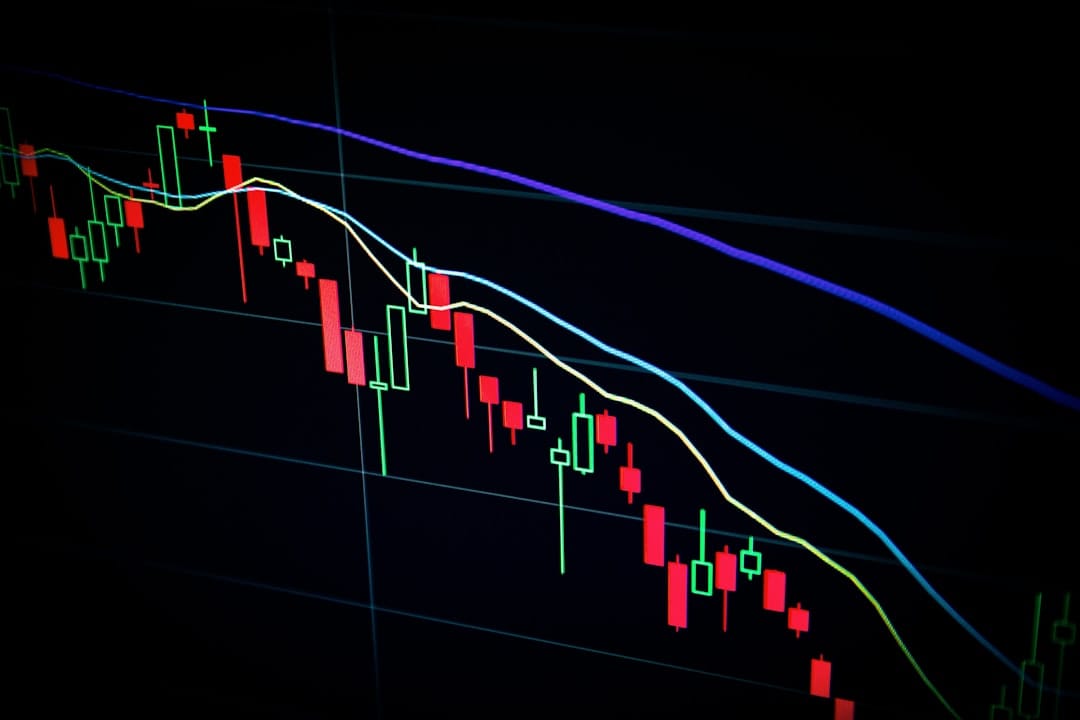
Investment assets sit on a rough spectrum from lowest risk and lowest expected return to highest risk and highest expected return:
Cash and cash equivalents sit at the conservative end — money market funds, short-term government bonds. Returns are modest but predictable. Investment-grade bonds offer slightly more return with modest credit risk. High-yield (junk) bonds offer meaningfully higher coupons but carry substantial default risk. Equities sit higher still — higher long-run expected returns but significantly more year-to-year volatility.
The equity risk premium — the excess return that equities are expected to deliver over risk-free assets to compensate for their greater risk — has historically averaged roughly 4–6% per year in developed markets, though estimates vary depending on the time period and methodology used. This premium is the financial market's compensation to equity investors for bearing the residual risk of business ownership.
Beyond equities, alternative investments (private equity, hedge funds, venture capital) occupy the furthest reaches of the spectrum, with potentially high returns but also the highest complexity, illiquidity, and risk.