
The Currency Dimension
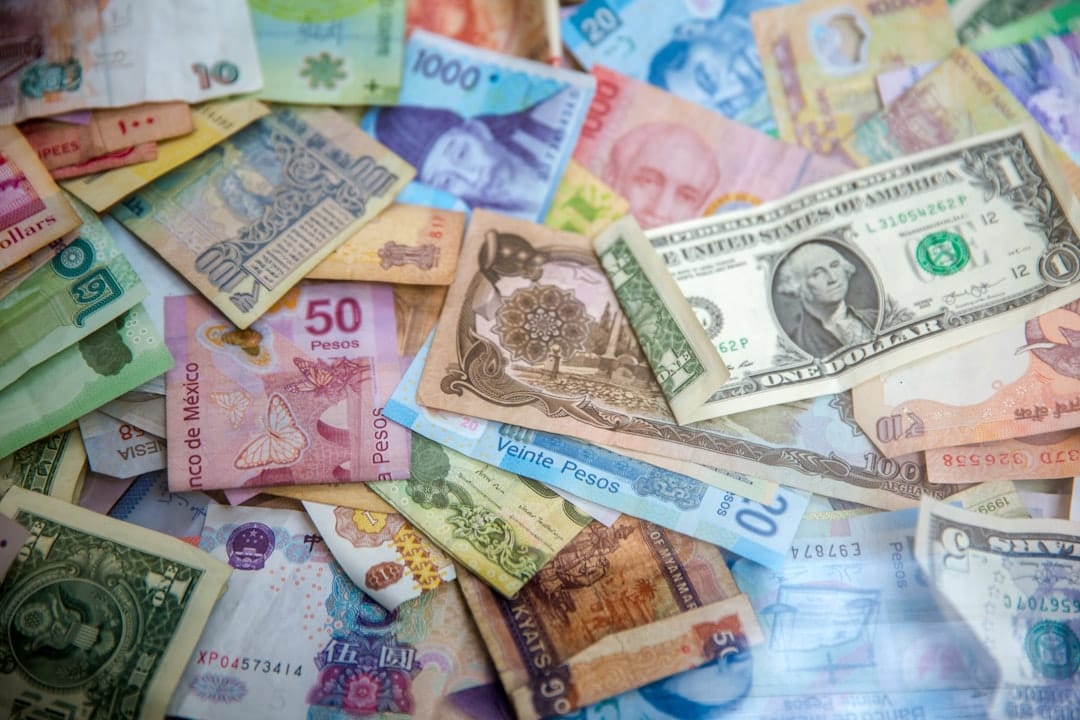
Investing in a Japanese government bond as a US dollar investor involves two exposures: the interest rate dynamics of the Japanese bond market, and the exchange rate between the yen and the dollar. If the yen falls against the dollar, the dollar-denominated return from the Japanese bond will be reduced or eliminated, even if the bond itself performs well in yen terms.
Investors who want the diversification benefits of global bonds without full currency exposure typically hedge the currency risk — using forward contracts or swap instruments to lock in the exchange rate over the investment period. Currency-hedged global bond indices (such as the Bloomberg Global Aggregate hedged to USD) provide exposure to international interest rate dynamics while neutralising currency movements. Hedging has a cost: the forward rate premium or discount reflects the interest rate differential between currencies, meaning hedging high-yielding currencies into a low-yield base currency incurs a cost roughly equal to the yield spread.