
The Oldest Law in Economics
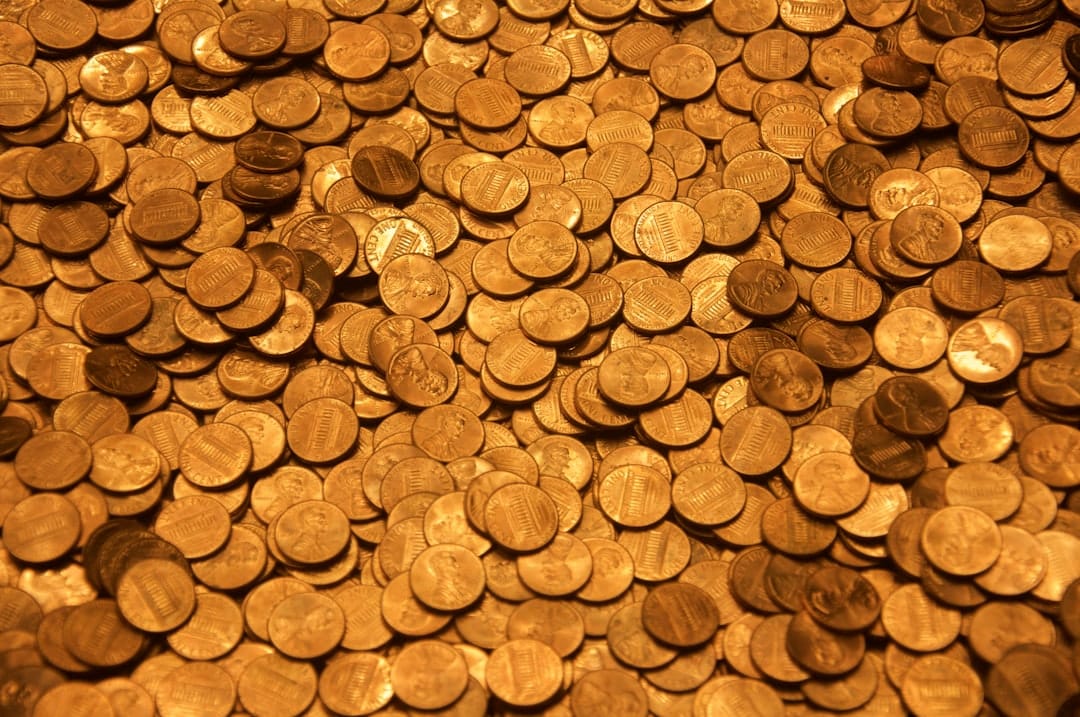
Gresham's Law states that "bad money drives out good." When two forms of currency circulate simultaneously with the same face value but different intrinsic worth, people hoard the more valuable form and spend the less valuable one. The "bad" money — the debased or overvalued currency — remains in circulation. The "good" money — the full-weight coin or more valuable form — disappears from everyday use.
The law is named after Sir Thomas Gresham, who articulated it in a letter to Queen Elizabeth I in 1558, advising her on the monetary chaos left by Henry VIII's debasement of the English coinage. But the pattern was described earlier by Aristophanes in ancient Athens (around 405 BC), who noticed that good silver coins had disappeared from circulation after the introduction of inferior bronze coins. The observation has been made independently in every monetary system that has ever issued debased currency alongside sound currency.