
A Pattern That Never Changes
Monetary debasement — reducing the real value of currency while maintaining its nominal value — is one of the most consistent patterns in the history of states and warfare. The specific mechanism has changed: ancient rulers clipped coins and reduced their metal content; modern governments issue paper money and expand bank credit. But the underlying logic is identical in each era: a state facing expenditures it cannot fund through taxation or honest borrowing secretly taxes its population by reducing the value of their money.
Rome: The Slow Collapse of the Denarius
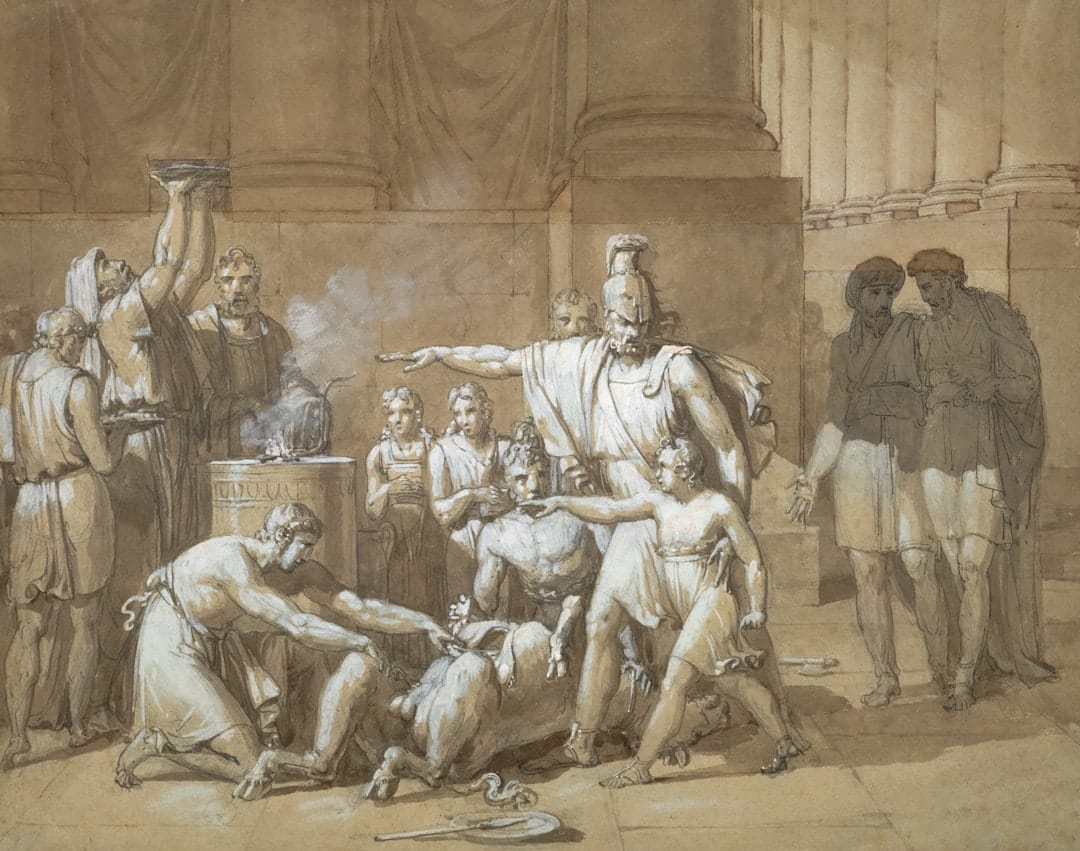
The Roman Empire's debasement of the denarius is the most studied example in the ancient world. Under Augustus (27 BC), the denarius contained approximately 95% silver. By the reign of Septimius Severus (around 200 AD) it had fallen to roughly 50%. Under Gallienus in the 260s it reached as low as 2–5% silver. The metal content was so degraded that coins were sometimes minted from bronze with a thin silver wash.
The consequences were precisely what modern economics would predict. Prices rose dramatically — records from Roman Egypt show grain prices increasing roughly fifty-fold between the first and third centuries. Trade contracted as merchants refused to accept coins at face value. The state attempted price controls under Diocletian's Edict of Maximum Prices in 301 AD, prescribing the death penalty for selling above mandated levels. The edict was widely ignored and abandoned within a decade. The empire fragmented administratively, and the economic coherence that had made Roman civilisation function declined alongside its monetary system.
Medieval and Early Modern Europe
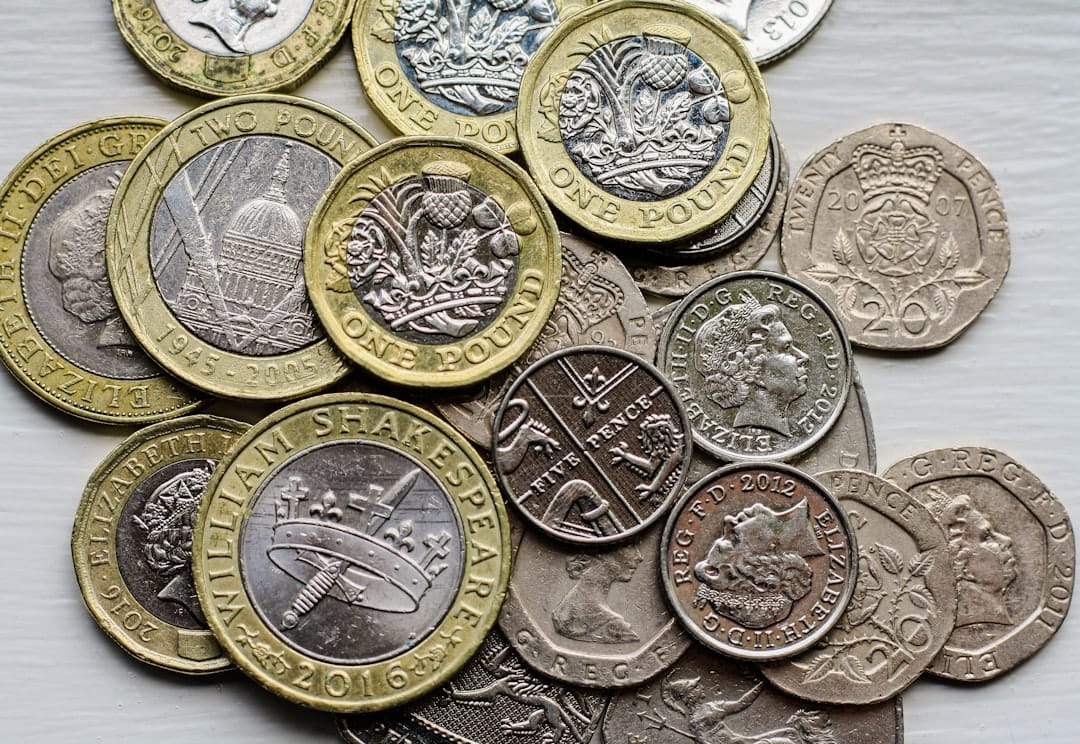
Debasement was a recurring fiscal tool for European monarchs throughout the medieval period. Philip IV of France debased the currency repeatedly between 1295 and 1306 to fund wars with England and Flanders, earning the nickname "the counterfeiter king." Henry VIII of England reduced the silver content of English coins from 92.5% to 25% between 1544 and 1551, financing his wars and palaces while destroying confidence in the currency — the episode that prompted Gresham's famous observation to Elizabeth I.
The pattern was so consistent that historians of medieval finance describe debasement as effectively a standard instrument of royal fiscal policy, used not only in wartime but whenever revenues fell short of expenditures.
The 20th Century: Paper Replaces Metal
In the 20th century, the mechanism shifted from coin-clipping to paper money creation. Weimar Germany printed marks to pay wartime reparations; the mark collapsed from approximately 4 per US dollar in 1914 to 4.2 trillion per dollar at the peak of the hyperinflation in November 1923. Zimbabwe issued $100 trillion banknotes. Venezuela's bolivar lost over 99.9% of its value between 2016 and 2019. In each case, the dynamic was identical: governments funded obligations through money creation, the value of the currency collapsed, and savers and those on fixed incomes bore the cost.
The specifics of debasement have changed across the centuries. The underlying relationship between states, war, and the temptation to inflate has not.