
Why Gold Is Different
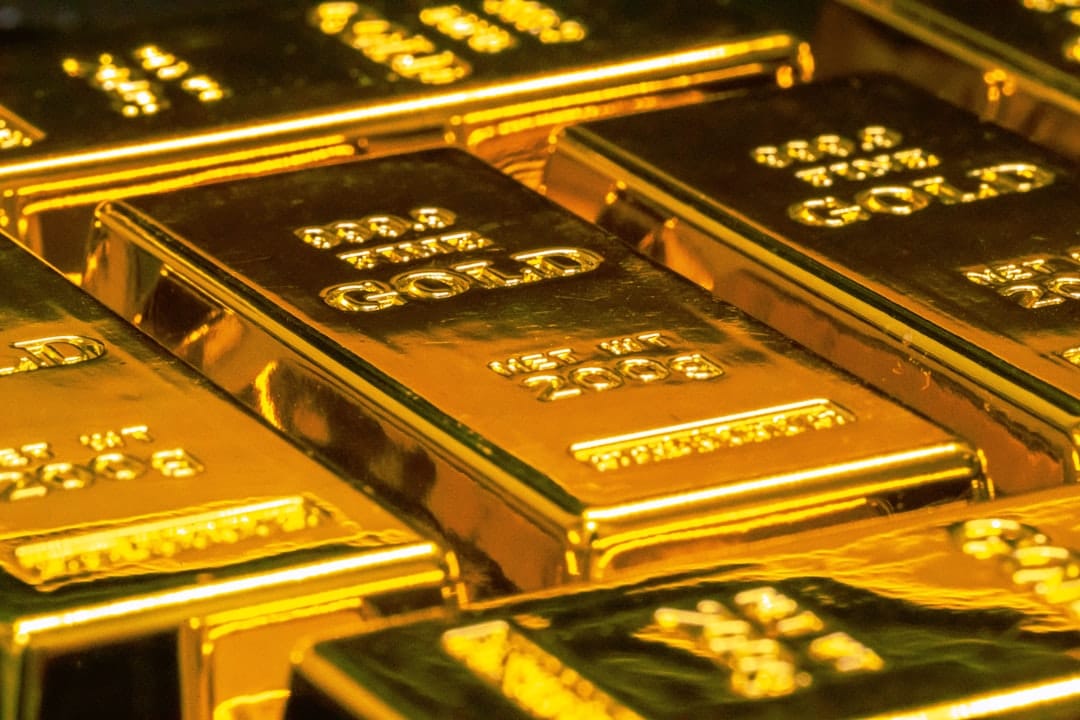
Gold is unlike any other commodity. It is barely consumed: almost all the gold ever mined in human history still exists in some form above ground. While a barrel of oil is burned, a tonne of copper becomes part of a building's wiring, and wheat is eaten, gold is hoarded — melted down, re-refined, and held as jewellery, coins, or bars across millennia. This durability is one reason gold has functioned as money across so many different cultures and civilisations.
The physical characteristics that made gold ideal as money are well understood: durable (it does not rust or corrode), divisible (it can be subdivided without losing value per unit weight), portable (high value per unit weight), and scarce (cannot be manufactured; new supply is constrained by the difficulty of mining). The total stock of gold ever mined is estimated at approximately 200,000 tonnes, with new mine production adding roughly 3,000 to 3,500 tonnes per year — an annual supply growth of approximately 1.5%. This is among the lowest of any commodity and is a key reason gold has maintained purchasing power over very long periods.