
Why People Trade

People, businesses and countries trade because specializing creates value. When each one focuses on what it gives up least to produce, and trades for the rest, the group as a whole can end up with more than if everyone tried to make everything alone. This lesson explains the idea behind that, called comparative advantage.
You can see this in everyday life. A lawyer doesn't usually fix their own plumbing, and a plumber doesn't usually write their own contracts. Each specializes and trades, and both can be better off. The same logic applies between cities, countries and whole economies.
Absolute vs Comparative Advantage
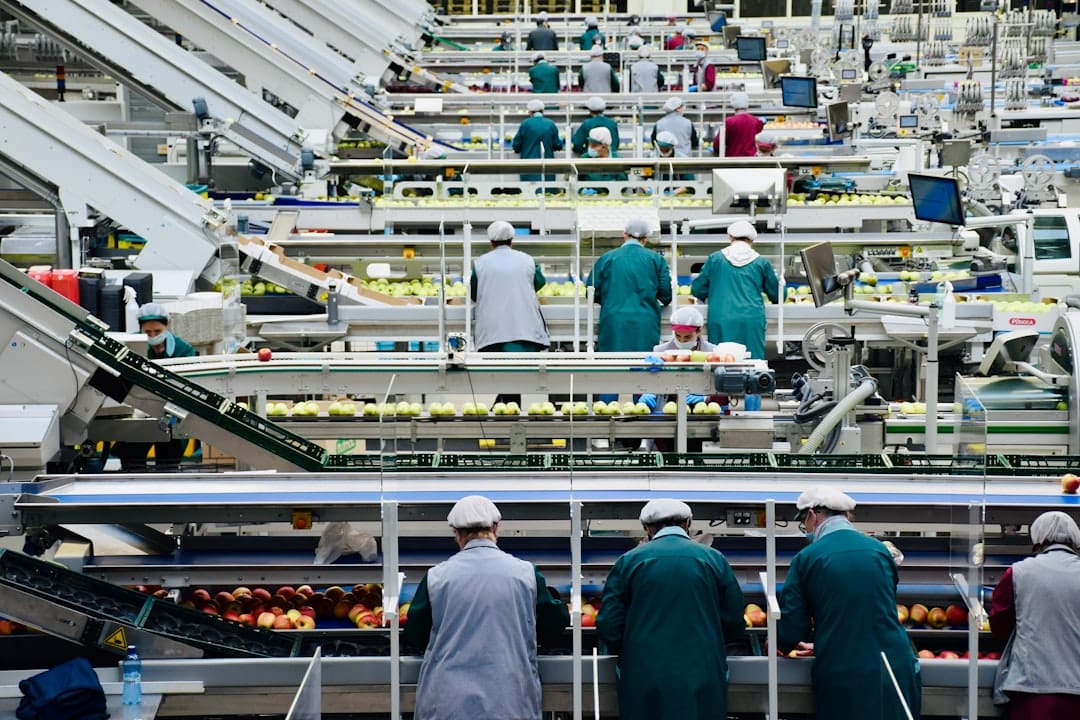
You have an absolute advantage in something if you can produce it with fewer resources than others: faster, or with less time or material.
Comparative advantage is subtler. You have a comparative advantage in something if you can produce it at a lower opportunity cost than others. Opportunity cost is the value of the next best thing you give up. You can have a comparative advantage even in a task where someone else is faster. The British economist David Ricardo set out this idea in 1817.
Here is a hypothetical example. In one day, Ana can bake 20 loaves of bread or sew 10 shirts. Ben can bake 6 loaves or sew 6 shirts. Ana is faster at both, so she has the absolute advantage in both.
Now look at what each gives up:
- For Ana, 1 shirt costs 2 loaves (20 ÷ 10 = 2).
- For Ben, 1 shirt costs 1 loaf (6 ÷ 6 = 1).
Ben gives up less to make a shirt, so Ben has the comparative advantage in shirts. Ana gives up only half a shirt per loaf, while Ben gives up a whole shirt, so Ana has the comparative advantage in bread.
Check the gain. If each splits the day evenly, Ana makes 10 loaves and 5 shirts, and Ben makes 3 loaves and 3 shirts. Together that is 13 loaves and 8 shirts. Now suppose Ben sews all day (6 shirts) and Ana spends a fifth of her day on shirts (2 shirts) and the rest on bread (16 loaves). Together that is 16 loaves and 8 shirts. Same shirts, 3 more loaves. Trading lets them share that extra output.
The same idea explains why a surgeon who types faster than an assistant still hands over the typing. Every hour the surgeon types is an hour of surgery given up, which is a very high opportunity cost.
How This Shapes the Global Economy
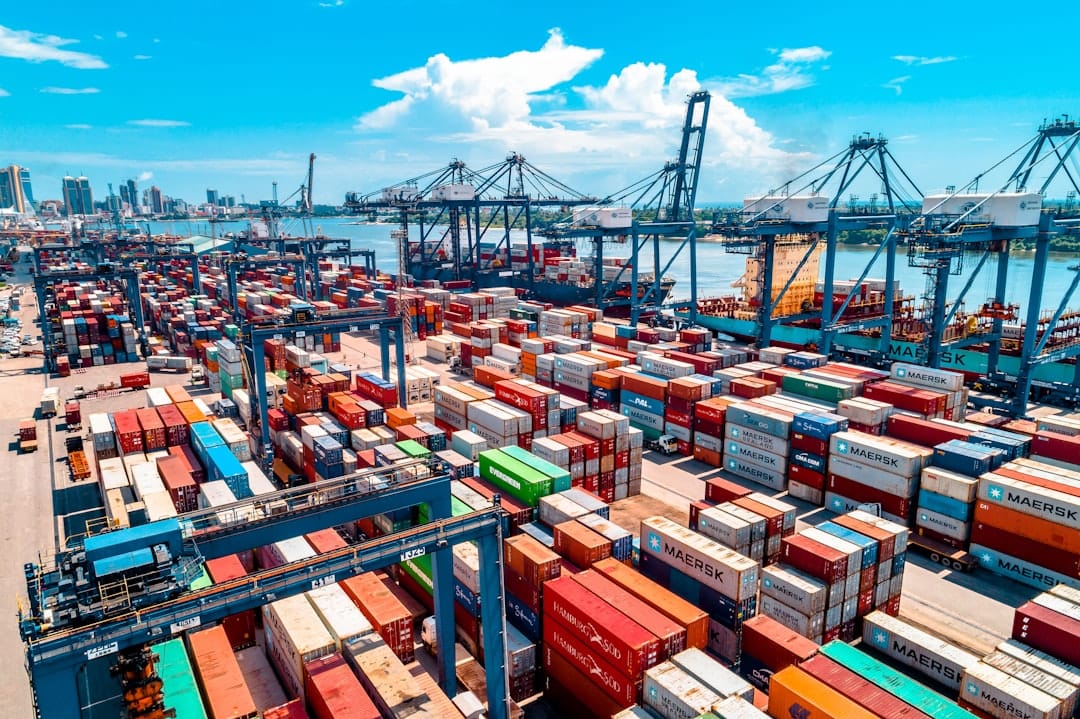
Comparative advantage helps explain why countries trade instead of trying to make everything at home. A country with lots of farmland may export crops. A country with many skilled engineers may export machines. That is not because they can't make anything else, but because they give up less to make those things.
Ricardo's key point was that both countries can gain from trade even when one is better at everything. Total output can rise, and each country can consume more than it could make on its own.
That doesn't mean everyone wins. Within a country, workers and firms that compete with cheaper imports can lose jobs or income, even while the country gains overall. Debates about trade policy are often about who gains, who loses, and what, if anything, should be done for those who lose.
Applying This Personally

The same thinking applies to how people use their time. The question isn't just "what am I best at?" It's "what do I give up to do this?" For example, someone who could earn money doing paid work for an hour gives up that income if they spend the hour on a chore instead.
This is a way of thinking, not a rule. People also value things that don't show up in prices, such as enjoying a task, learning a skill or saving money. Comparative advantage simply makes the hidden cost of a choice easier to see.