
The Allocation Problem

Every economy has to answer three basic questions: what should be produced, how should it be produced, and who gets it? These are allocation questions. Allocation means deciding how to spread scarce resources, such as workers, machines, land and materials, across the many possible uses for them. This lesson explains how markets answer those questions.
In a market economy, decisions are spread out. Millions of buyers and sellers make their own choices, and prices, profits and competition tie those choices together. No central committee decides how many cars to make or where nurses should work. In a command economy, by contrast, government planners make many of those decisions.
The US is a mixed economy. Markets make most of these decisions, but government also shapes them through taxes, rules and public spending.
How Prices Direct Resources

When buyers want more of something, they bid its price up. The higher price tells producers it is worth putting more resources into making it. New businesses see the chance for profit and enter the market. Workers and investment flow toward that area, and over time supply catches up.
The opposite happens when demand falls. Prices drop, profit margins shrink, and resources gradually move toward better-paying uses elsewhere.
Here is a hypothetical example. Suppose an electric bike costs $800 to make and sells for $1,000. Each bike earns $200 in profit ($1,000 − $800). Then demand jumps and the price rises to $1,200. Now each bike earns $400 ($1,200 − $800), double what it was. That extra profit draws in new makers. As more bikes reach the market, the price tends to fall back toward the cost of making them.
This is resource allocation in action: a continuous, spread-out process that moves workers, capital and materials toward the uses buyers value most, guided largely by prices.
Profits and Losses as Signals

In a market economy, profits and losses act like feedback. A profit is what is left when a business's revenue is more than its costs. It suggests the business is making something people value more than it costs to make. A loss suggests the opposite.
This feedback helps explain why market economies adapt. Businesses that make things people don't want, or make them wastefully, run up losses. They either improve or leave the market. Businesses that read the signals well tend to survive and grow. Economists call new firms joining a market entry, and firms leaving it exit.
The Limits of Markets
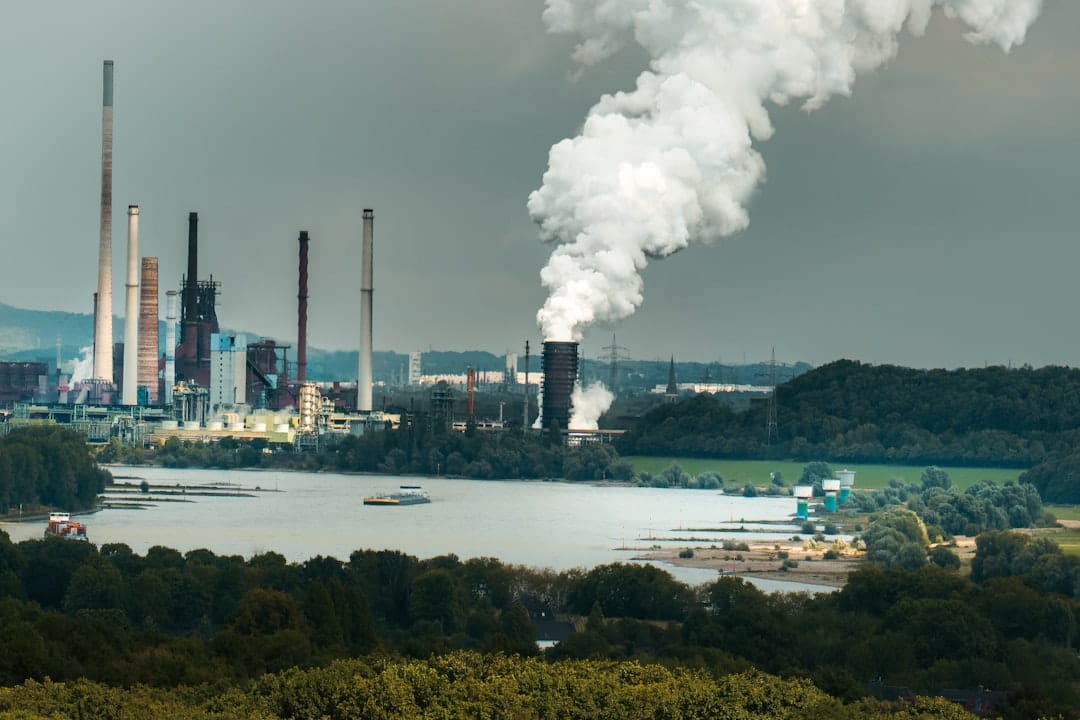
Markets allocate resources well under the right conditions, but those conditions aren't always met.
Markets struggle with public goods: things that are hard to stop non-payers from using, and where one person's use doesn't leave less for others. National defense and clean air are common examples. Because people can benefit without paying, private sellers can't easily charge for them.
Markets also tend to underprovide things whose benefits spread well beyond the buyer, such as basic research or education. They tend to overproduce things whose costs fall on outsiders, such as pollution. Economists call these spillover effects externalities.
Knowing both the strengths and the limits of markets helps when reading economic news, following policy debates, and seeing why some things have prices and others don't.
What This Means Practically

The same forces show up in everyday news. When a skill is in short supply, wages for it tend to rise, which draws more people into training for it. When an industry grows profitable, new firms and investment tend to follow. Those moves are signals of where resources are flowing. They are not a guarantee of future profits, because entry by new firms tends to push those profits back down.