
Financing the Great War

World War I was the most expensive conflict in human history to that point — and the question of how it was paid for shaped both the war's outcome and the subsequent economic history of the 20th century. The war cost approximately $200 billion in 1913 dollars across all belligerents — an incomprehensible sum for economies whose combined prewar government revenues were a small fraction of that figure.
The British Approach
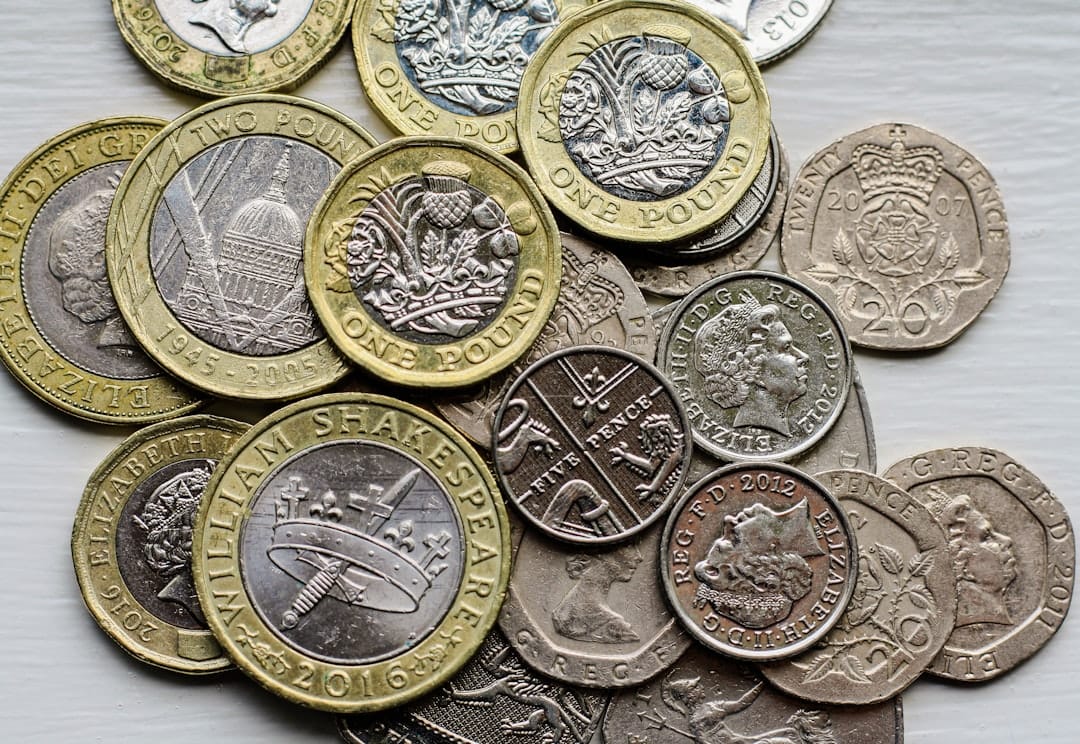
Britain began the war with the world's most developed capital market and the most credible sovereign credit. Its approach was to finance the war primarily through debt rather than taxation — Liberty Loans and War Loans raised enormous sums from British savers, supplemented by US lending once American neutrality policy permitted. Britain also depleted its enormous overseas investment portfolio: assets built up over a century were liquidated to pay for war imports.
By war's end, Britain had gone from the world's largest creditor nation to a net debtor. The US had gone from net debtor to net creditor. The geopolitical consequences of this financial reversal were as significant as any battlefield outcome.
The German Approach
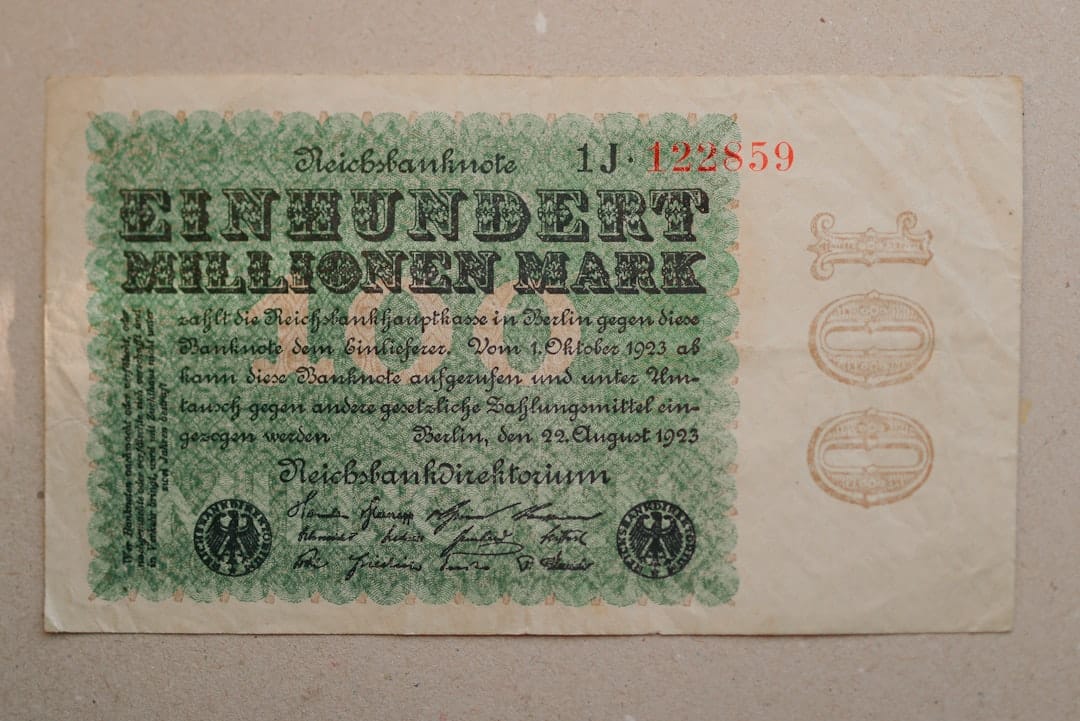
Germany financed its war almost entirely through debt rather than taxation. Finance Minister Helfferich explicitly argued against wartime taxation on the grounds that Germany's enemies would pay the costs through war reparations — a calculation that proved catastrophically wrong. Germany issued nine successive War Loan (Kriegsanleihe) drives, raising approximately 98 billion marks from German savers.
The consequence: Germany accumulated enormous domestic debt, then lost the war and was unable to honour reparations demands. The postwar combination of war debt, reparations pressure, and the economic disruption of defeat created the fiscal conditions that eventually produced the Weimar hyperinflation.
The American Entry
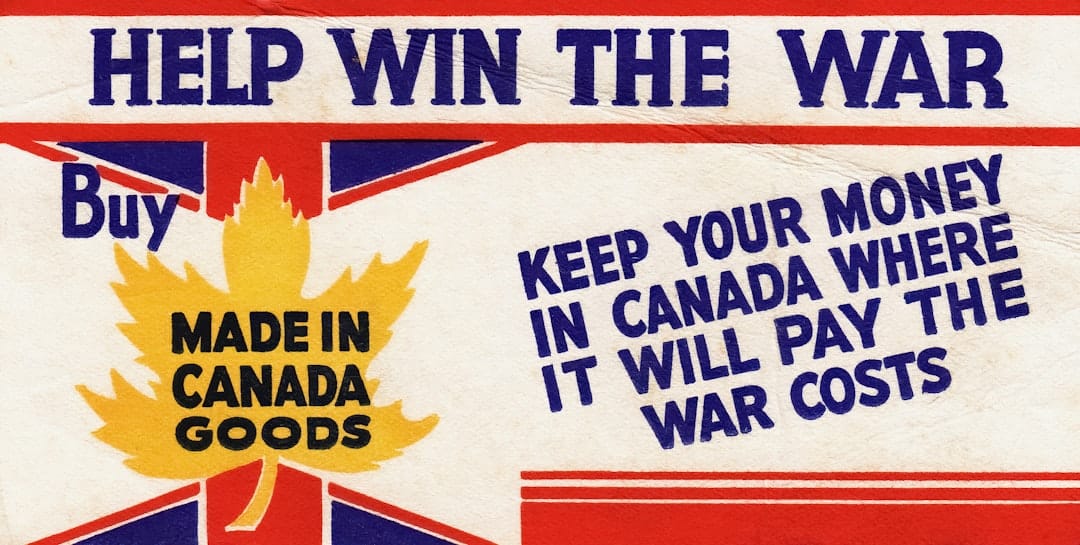
When the US entered the war in April 1917, it brought not only troops but financial resources. The Liberty Bond drives raised approximately $17 billion from American citizens — organised through an extraordinary campaign of patriotic pressure, celebrity endorsements, and community bond-buying quotas.
Critically, US government loans to the Allied powers replaced the private American lending that had sustained Britain and France for the previous three years. The US government's entry as a direct lender established its financial relationship with Allied powers that complicated post-war negotiations for decades.