
Correlation in Crises: The Convergence Problem
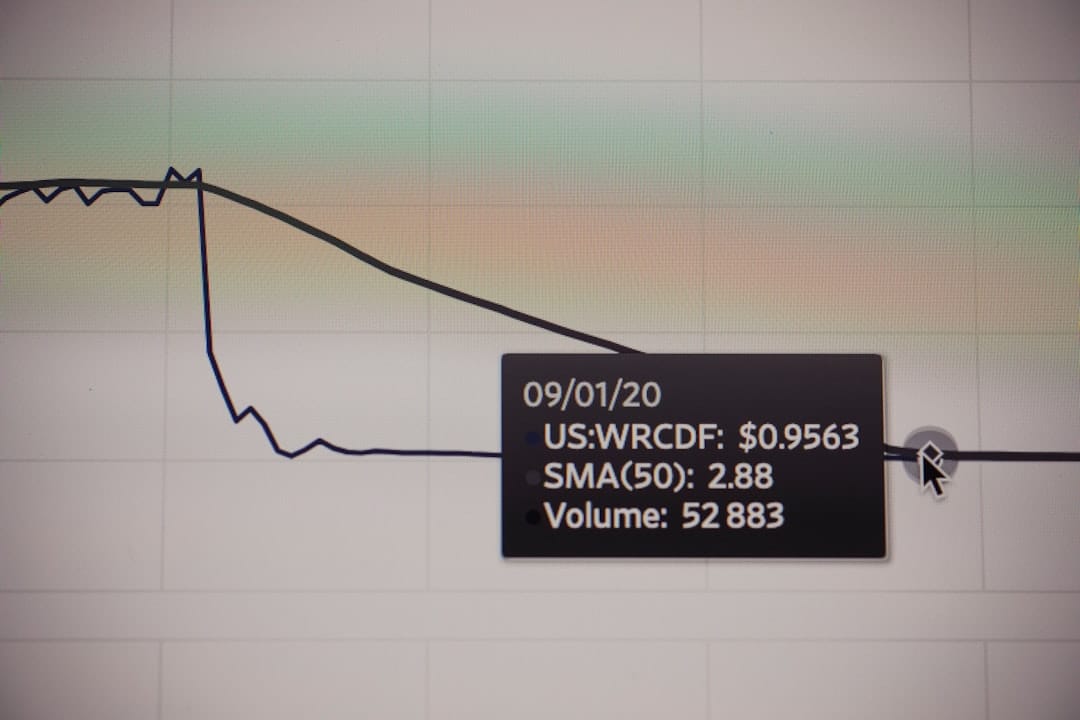
One of the most important and uncomfortable findings in empirical finance is that correlations are not stable. In normal markets, many asset classes display relatively low or moderate correlations. But during financial crises, correlations tend to spike sharply toward +1. This is sometimes described as assets "correlating up" in crashes.
Andrew Ang and Geert Bekaert, in research spanning the late 1990s and 2000s, documented this phenomenon extensively. They found that the correlation structure assumed from calm periods systematically underestimates the co-movement of assets during downturns — precisely when diversification is most needed. The assets that appeared uncorrelated in 2006 moved together dramatically in the 2008 financial crisis.
The mechanism is behavioural and structural: in a crisis, investors sell whatever they can — not just what is falling — to raise cash. Liquidity demands override fundamental considerations, creating forced co-selling across asset classes. As a result, historical correlation data measured during stable periods can give a false sense of protection.