
How Herding Creates Bubbles and Crashes
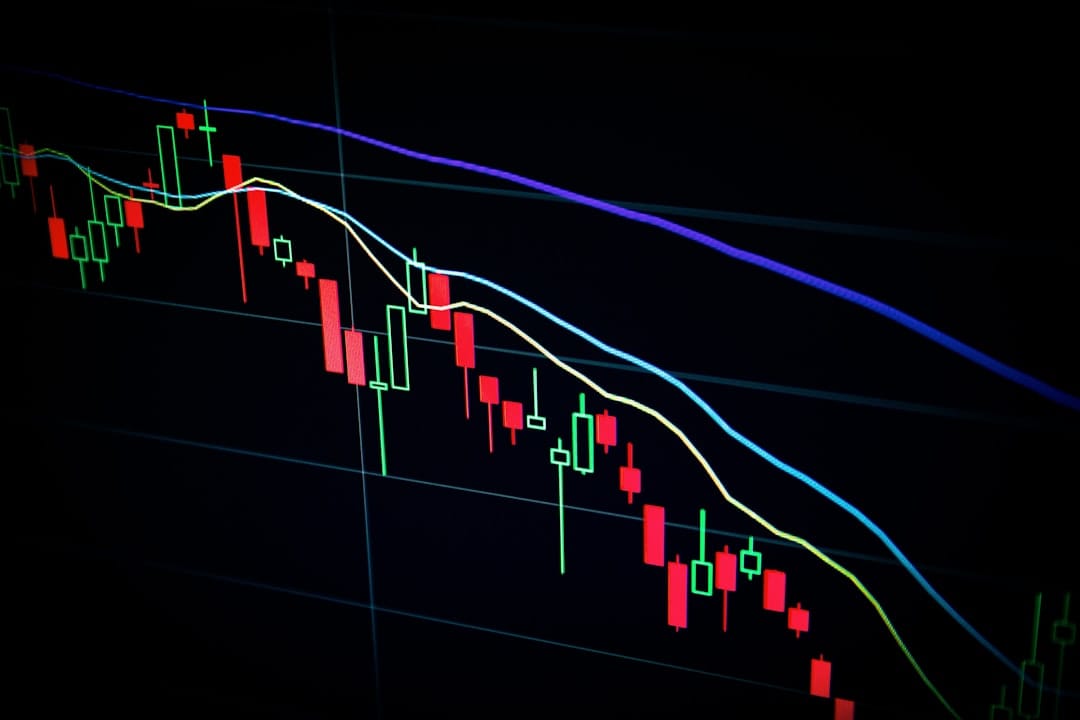
Financial markets amplify herd behaviour in both directions. When prices rise, more people buy because others are buying — driving prices higher still. When prices fall, panic selling by some triggers panic selling by others, accelerating the decline. Neither movement is necessarily driven by changes in the underlying value of the asset; both are driven by people responding to what others are doing.
Every major speculative bubble — from tulip mania in 1637 to the 2000 dot-com crash to the 2008 housing crisis — was sustained in part by herd behaviour. Investors continued buying not because they had independent valuations, but because prices were rising and everyone else seemed to be getting rich.