
Negative Skew
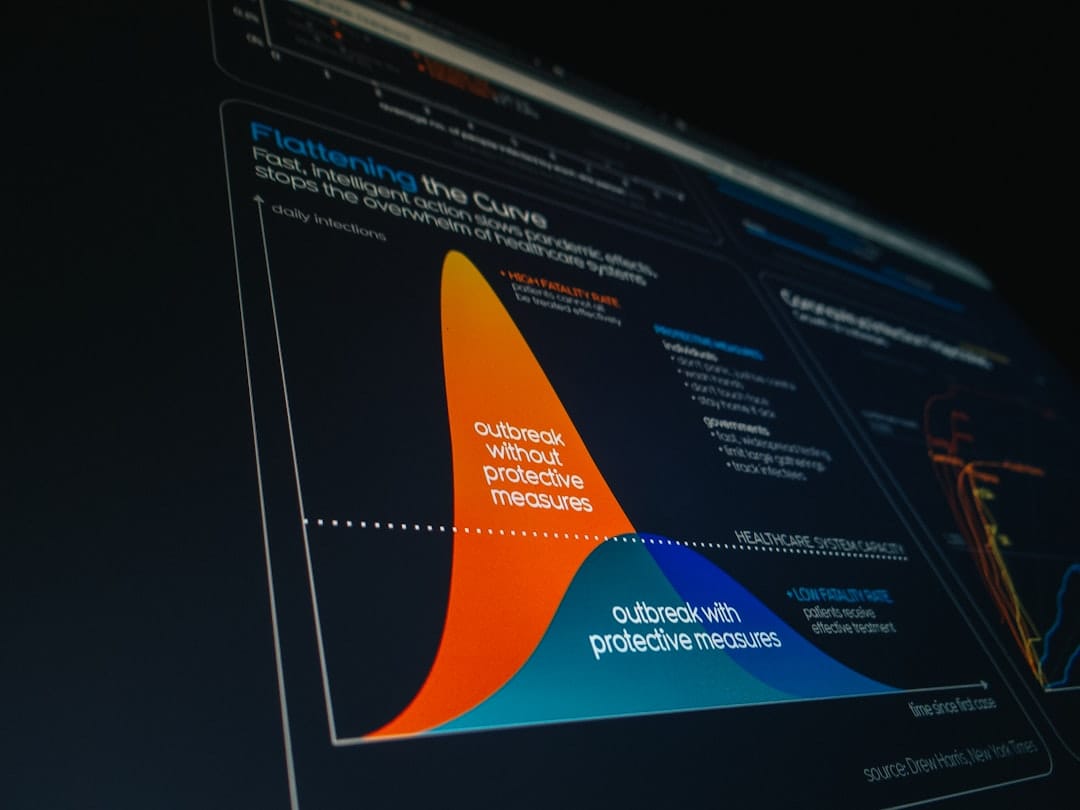
Beyond fat tails, financial returns tend to be negatively skewed: the distribution is asymmetric, with the left tail (large losses) being longer and fatter than the right tail (large gains). Markets crash faster than they rise; investors experience more frequent small-to-moderate gains but occasional severe and rapid losses.
Negative skew is particularly dangerous because it is invisible in standard deviation. A strategy with 10% annual volatility, negative skew, and fat tails may seem comparable to a strategy with 10% annual volatility and a near-normal distribution — but the first strategy has a materially higher probability of a catastrophic loss.