
Volatility Drag: The Hidden Cost of Volatility
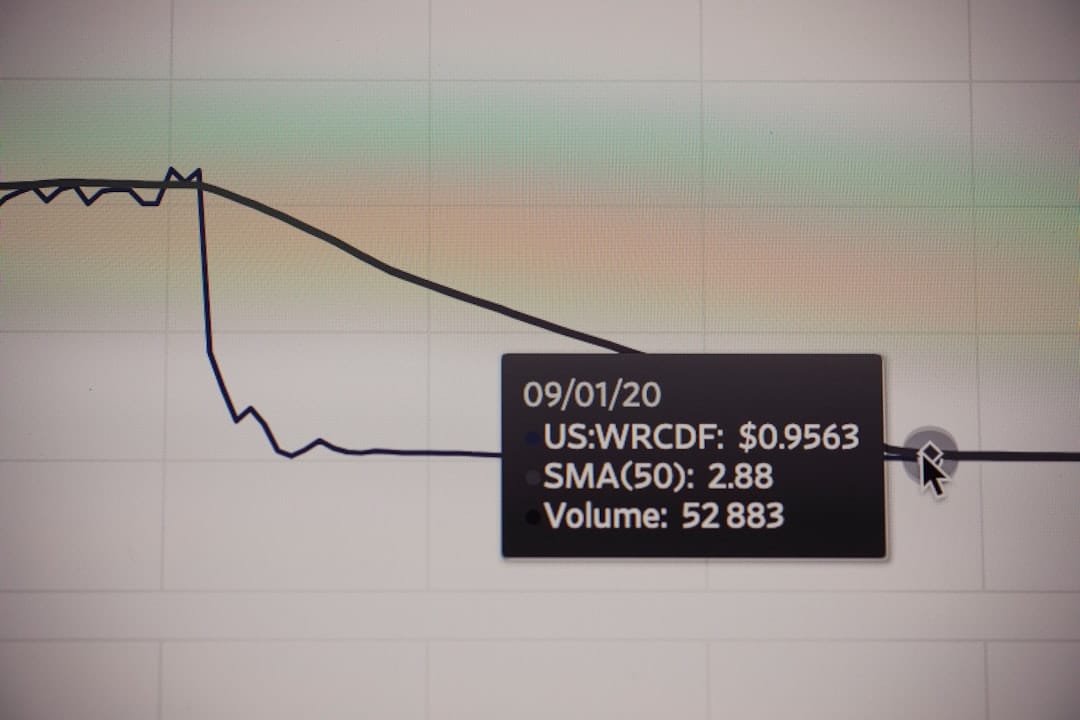
Volatility drag is why two funds with the same arithmetic mean return can produce very different long-run wealth outcomes if one is more volatile. William Sharpe noted in his landmark 1966 paper on mutual fund performance that comparing funds purely on the basis of average return, without adjusting for risk, was economically misleading for exactly this reason.
Suppose Fund A has an arithmetic mean return of 12% with 25% volatility. Fund B has an arithmetic mean return of 10% with 5% volatility. Fund A's geometric mean is approximately 12% − (0.25² / 2) = 12% − 3.1% = 8.9%. Fund B's geometric mean is approximately 10% − (0.05² / 2) = 10% − 0.1% = 9.9%. Fund B, despite a lower headline return, compounds to greater wealth over time.