
How This Shapes the Global Economy
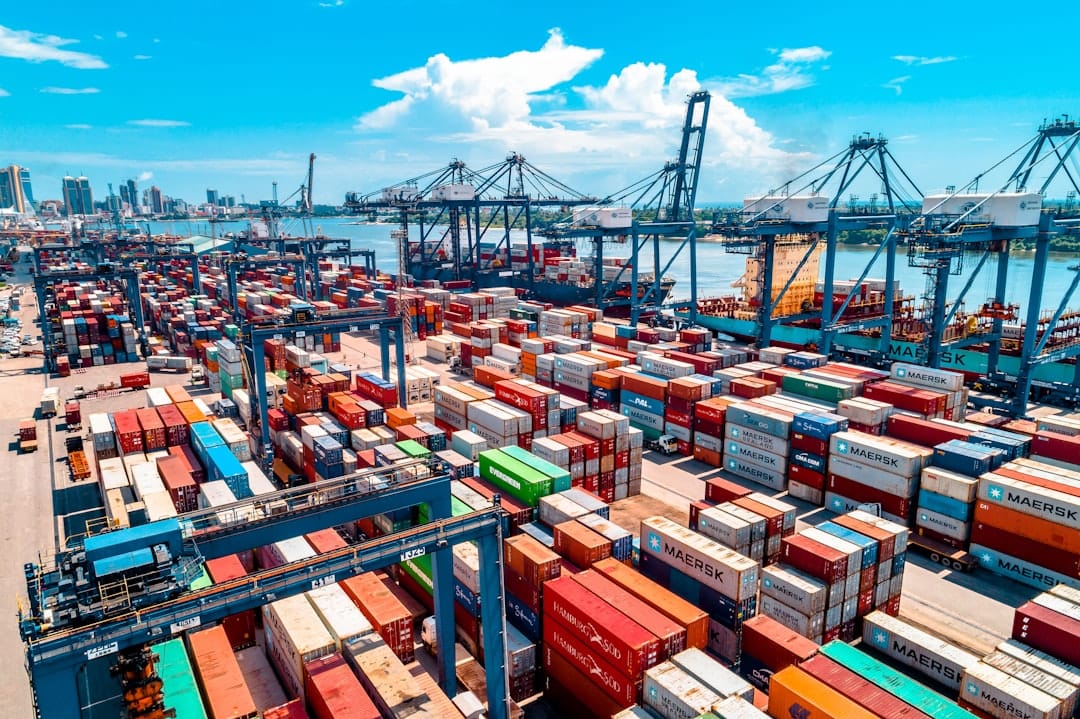
Comparative advantage helps explain why countries trade instead of trying to make everything at home. A country with lots of farmland may export crops. A country with many skilled engineers may export machines. That is not because they can't make anything else, but because they give up less to make those things.
Ricardo's key point was that both countries can gain from trade even when one is better at everything. Total output can rise, and each country can consume more than it could make on its own.
That doesn't mean everyone wins. Within a country, workers and firms that compete with cheaper imports can lose jobs or income, even while the country gains overall. Debates about trade policy are often about who gains, who loses, and what, if anything, should be done for those who lose.