
The Limits of Markets
Markets allocate resources well under the right conditions, but those conditions aren't always met.
Markets struggle with public goods: things that are hard to stop non-payers from using, and where one person's use doesn't leave less for others. National defense and clean air are common examples. Because people can benefit without paying, private sellers can't easily charge for them.
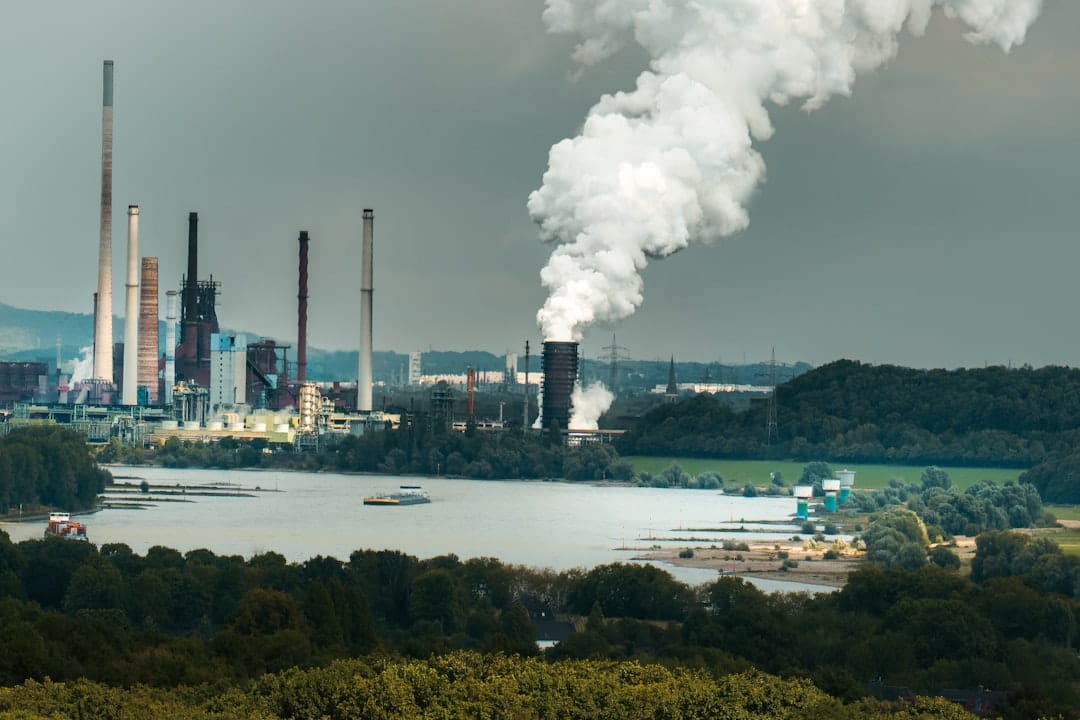
Markets also tend to underprovide things whose benefits spread well beyond the buyer, such as basic research or education. They tend to overproduce things whose costs fall on outsiders, such as pollution. Economists call these spillover effects externalities.
Knowing both the strengths and the limits of markets helps when reading economic news, following policy debates, and seeing why some things have prices and others don't.