
Soft Commodities: Grown and Raised
Soft commodities are agricultural products — those grown, cultivated, or raised. The main groupings are:
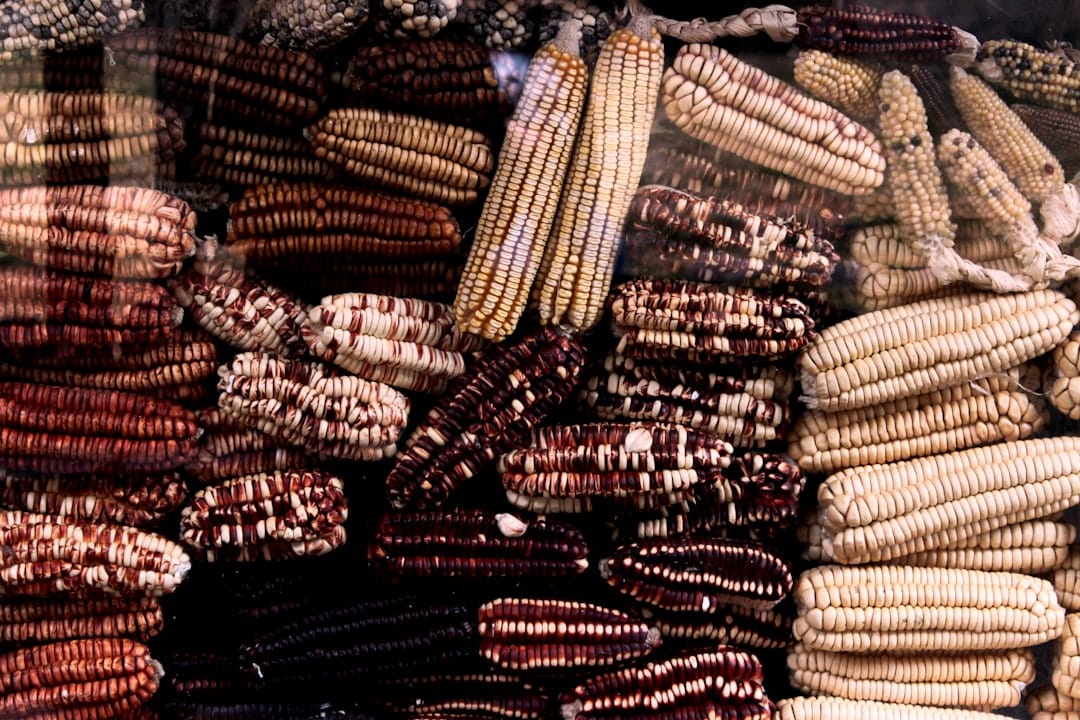
Grains and oilseeds: wheat, corn (maize), soybeans, rice. These are the caloric backbone of the global food system and together represent the most heavily traded agricultural commodities by volume.
Soft commodities in the narrower sense: coffee, cocoa, sugar, cotton, orange juice. These are produced primarily in tropical and subtropical regions and traded on exchanges such as ICE (Intercontinental Exchange) in New York and London.
Livestock: lean hogs, live cattle, feeder cattle. These are traded on the Chicago Mercantile Exchange (CME) and represent the commoditisation of the meat supply chain.
Soft commodities are subject to a distinct set of price drivers: weather patterns (particularly El Niño and La Niña events), crop disease, seasonal harvest cycles, and geopolitical disruptions to trade routes. Unlike oil or gold, agricultural commodities are perishable, which creates additional complexity in storage and delivery.