
The Exchange Infrastructure
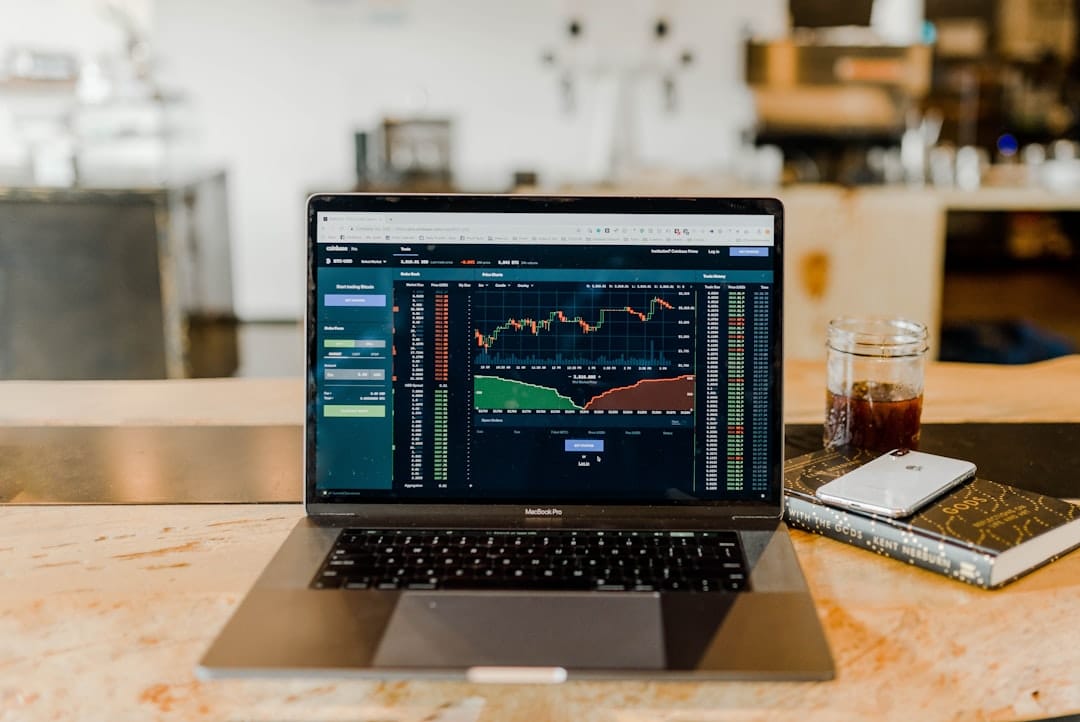
The institutional infrastructure for commodity trading is centuries old, but its modern form traces to the mid-nineteenth century. The Chicago Board of Trade (CBOT), founded in 1848, was created to standardise grain contracts and allow farmers to lock in prices ahead of harvest — one of the earliest uses of futures contracts in modern finance.
The London Metal Exchange (LME), founded in 1877, remains the global benchmark for industrial metals pricing. The CME Group — which now encompasses the CBOT, NYMEX (energy), and COMEX (metals) — is the world's largest commodity exchange by volume. The ICE (Intercontinental Exchange), headquartered in Atlanta with major operations in London, covers energy and agricultural markets.
Grading standards enforced by these exchanges are what make global commodity markets possible. Without universally accepted specifications, every transaction would require physical inspection and negotiation — an impossible friction at the scale modern commodity markets operate.