
The Petrodollar System
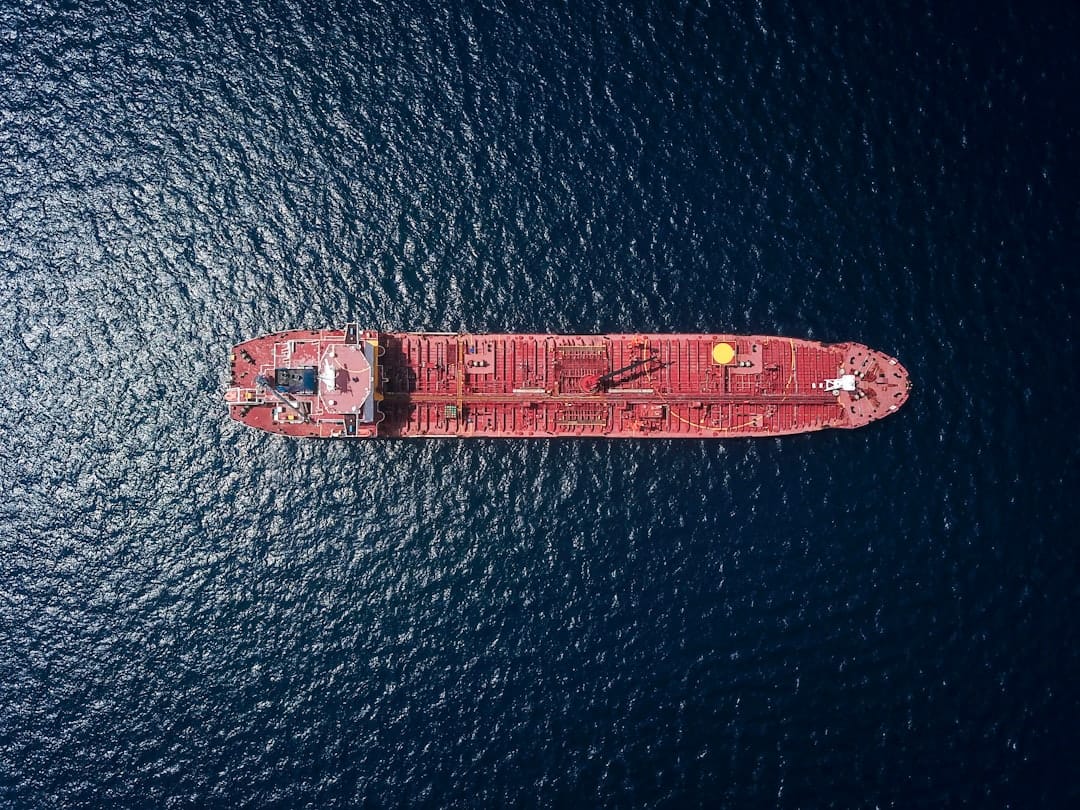
One of the most important structural features of the global commodity market is that oil is priced in US dollars. This convention, formalised after the 1973 oil crisis through agreements between the US and Saudi Arabia, means that every country in the world that imports oil must first acquire US dollars to pay for it. This creates structural, persistent global demand for US dollars — the petrodollar system.
The petrodollar system reinforces the US dollar's status as the world's reserve currency. Countries that export oil accumulate large dollar surpluses (petrodollars), which they then recycle into US Treasury bonds and other dollar-denominated assets — supporting US bond prices and keeping US borrowing costs lower than they might otherwise be.
Any shift away from dollar pricing for oil — whether toward the euro, yuan, or a basket currency — would reduce structural dollar demand and could have significant implications for US interest rates and financial conditions. This geopolitical dimension of oil pricing gives the dollar-oil relationship a significance beyond simple commodity economics.