
Natural Gas and Industrial Competitiveness
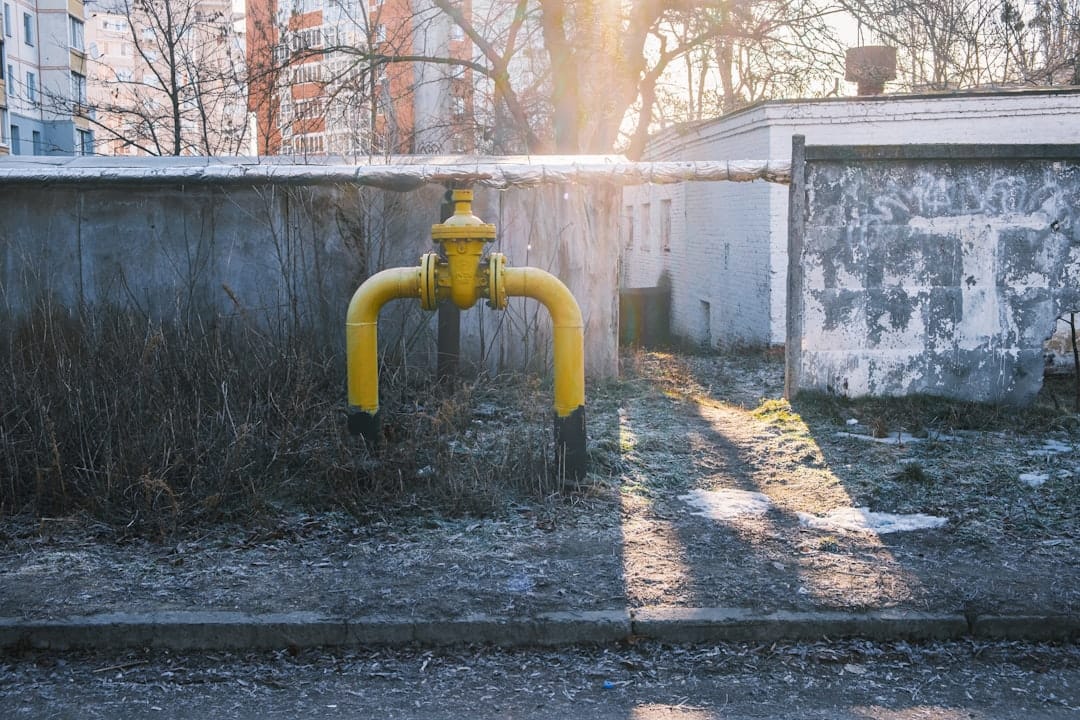
Natural gas is not merely an energy source — it is a fundamental input to industrial production. It powers petrochemical plants, fertiliser factories, steel furnaces, glass manufacturers, and ceramics producers. When gas prices are low, energy-intensive industries enjoy a cost advantage; when they are high, those same industries face an existential competitive challenge.
The 2022 European gas crisis — triggered by the curtailment of Russian gas flows following the invasion of Ukraine — provided a live demonstration of this dynamic. TTF natural gas prices in Europe surged to levels more than ten times the pre-crisis norm, and the competitiveness of European energy-intensive industry deteriorated sharply. Several large fertiliser plants shut down; aluminium smelters closed; chemical producers shifted production to regions with cheaper energy. The crisis raised serious questions about European deindustrialisation — the structural loss of energy-intensive manufacturing that cannot return even after gas prices normalise, because the global competitive landscape had shifted.