
The Baltic Dry Index as a Leading Indicator
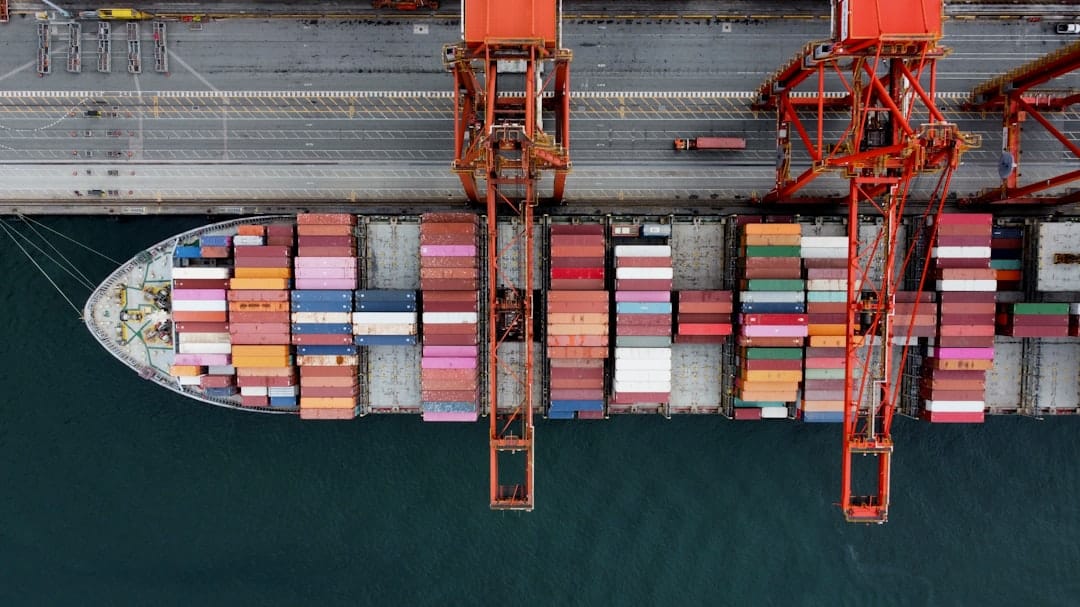
The Baltic Dry Index (BDI) is published daily by the Baltic Exchange in London and measures the cost of shipping dry bulk commodities — primarily iron ore, coal, grain, and fertiliser — by sea. It covers three vessel categories (Capesize, Panamax, Supramax) and reflects freight rates across dozens of shipping routes globally.
The BDI is watched as a leading economic indicator because dry bulk shipping captures real physical trade flows. Ships carry actual commodities needed for real production — steel-making iron ore, power-generating coal, food-supplying grain. There is no financial speculation in shipping costs in the same way there can be in financial markets; rates reflect genuine supply and demand for cargo capacity.
Empirically, the BDI tends to lead global economic activity by roughly three to six months. When the global economy is accelerating, demand for raw materials rises, freight rates increase, and the BDI climbs. When growth is slowing, orders for raw materials fall, ships idle, and the BDI drops. The 2008 collapse in the BDI (from over 11,000 to under 700 in less than six months) signalled the severity of the global financial crisis before most economic data had confirmed it.