Finscape
Sign in
← Back to decks
Sign in to save your progress.Sign in

Financing the Great War

World War I was the most expensive conflict in human history to that point — and the question of how it was paid for shaped both the war's outcome and the subsequent economic history of the 20th century. The war cost approximately $200 billion in 1913 dollars across all belligerents — an…

9 cards
Study this deck

Financing the Great War

In this lesson · 4 sections
Step 4 of 4

The American Entry

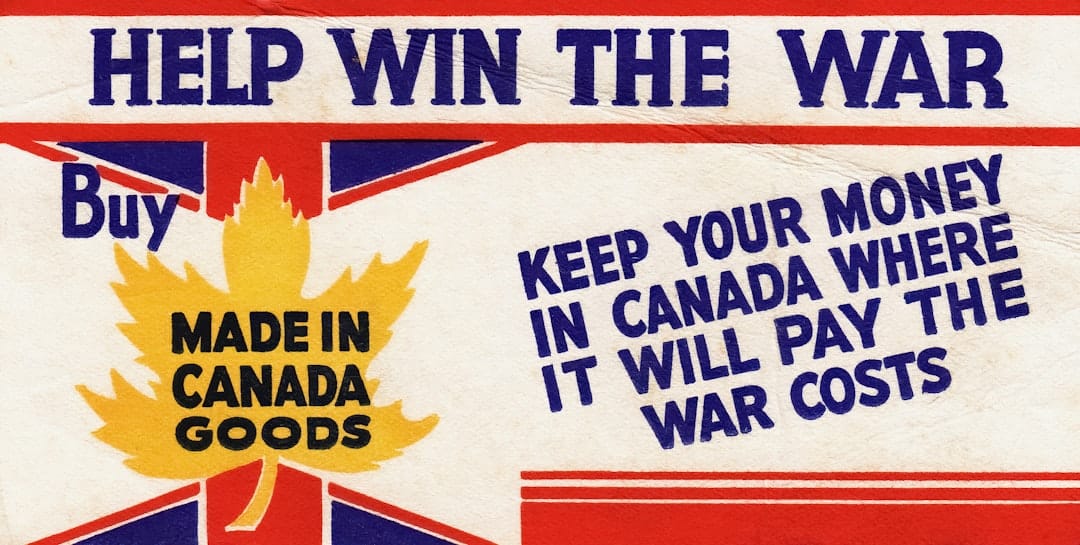
Help win the war, buy made in canada goods.
Photo by Community Archives of Belleville and Hastings County on Unsplash

When the US entered the war in April 1917, it brought not only troops but financial resources. The Liberty Bond drives raised approximately $17 billion from American citizens — organised through an extraordinary campaign of patriotic pressure, celebrity endorsements, and community bond-buying quotas.

Critically, US government loans to the Allied powers replaced the private American lending that had sustained Britain and France for the previous three years. The US government's entry as a direct lender established its financial relationship with Allied powers that complicated post-war negotiations for decades.

Educational content only. Not financial, investment, tax or legal advice. Learn more

Quiz me on this
War bond
Save
Liberty Bonds
Save
Kriegsanleihe
Save
Karl Helfferich
Save
Britain's shift to borrowing from the US
Save